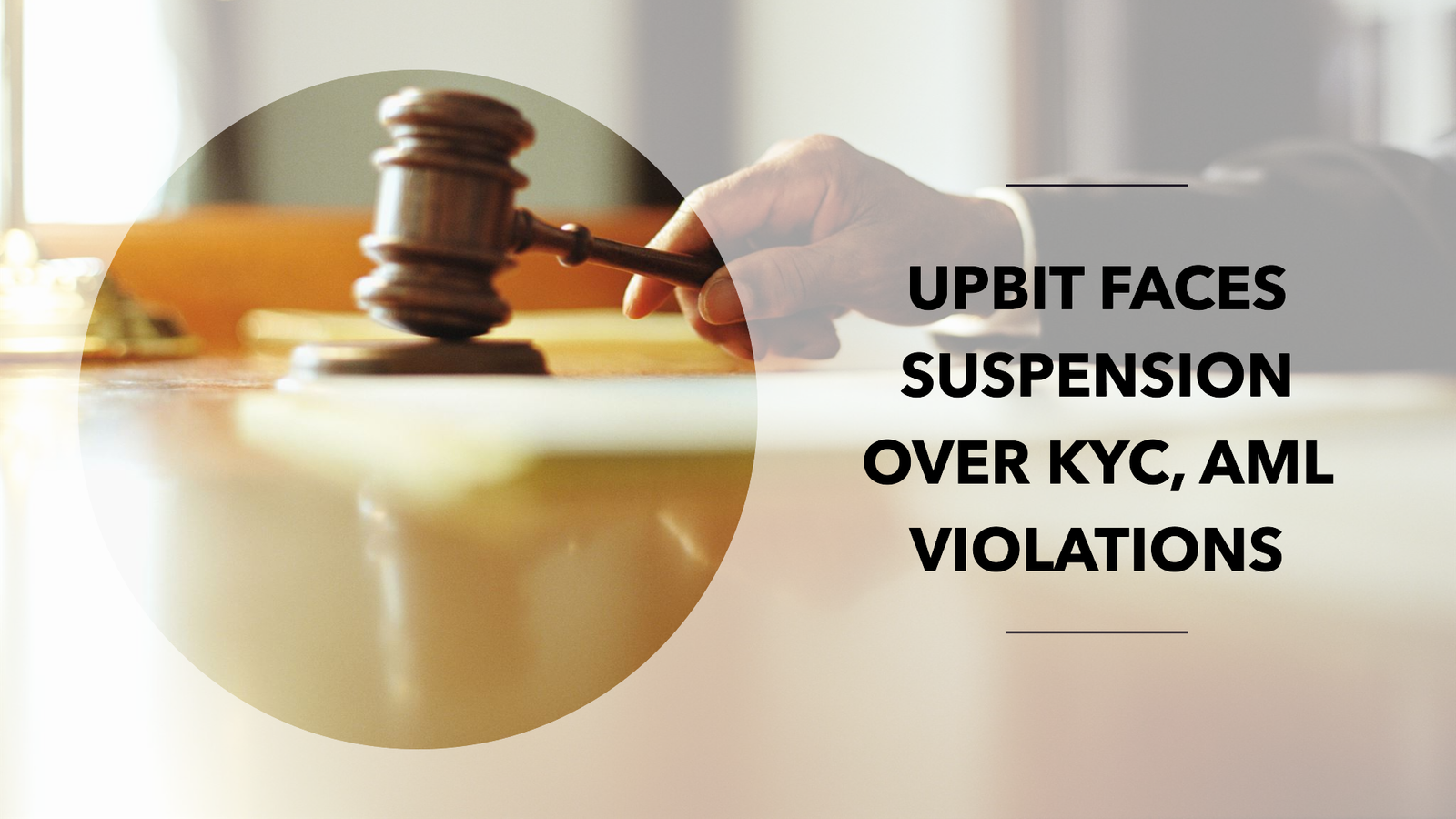
South Korea’s crypto regulatory landscape is tightening, and one of the nation’s largest cryptocurrency exchanges, UPbit, is now in hot water. The exchange faces potential suspension due to alleged violations of Know Your Customer (KYC) and Anti-Money Laundering (AML) regulations, signaling the government’s intensified efforts to maintain transparency and security in the digital asset sector.
Authorities in South Korea have reportedly flagged UPbit for failing to comply with stringent KYC and AML protocols, which are designed to prevent illicit activities such as money laundering and fraud. These regulatory measures are crucial in a country that is actively fostering its cryptocurrency ecosystem while safeguarding investors from potential risks.
According to reports, UPbit is accused of processing transactions without adequate verification of customer identities and neglecting its obligation to report suspicious activities. These breaches, if confirmed, could lead to severe repercussions for the exchange, including suspension of its operations.
The South Korean government has taken a proactive stance in regulating the cryptocurrency industry to establish trust and stability. This includes implementing strict laws around customer verification and transaction monitoring. UPbit’s alleged failure to adhere to these rules undermines efforts to create a secure and compliant environment for both investors and businesses.
As one of South Korea’s leading cryptocurrency exchanges, UPbit plays a significant role in the market. Any disruption to its operations could have a ripple effect, potentially impacting trading volumes and investor confidence within the country.
This incident highlights a broader challenge faced by the global crypto industry—balancing innovation with regulatory compliance. Exchanges are under increasing scrutiny as governments worldwide aim to curb illicit activities without stifling technological advancement.
South Korea’s Financial Intelligence Unit (FIU) has been particularly active in enforcing compliance. The regulatory body has previously issued warnings and penalties to other exchanges, indicating that no player, regardless of size, is above the law.
If the allegations are proven, UPbit could face operational suspension, disrupting users and trading activities. Financial penalties may also follow, potentially denting the exchange’s profitability and reputation. Additionally, the trust and credibility that UPbit has built with its users may erode, pushing customers toward rival platforms.
For users, this development serves as a reminder to remain vigilant when choosing cryptocurrency exchanges. Ensuring that a platform complies with local regulations and prioritizes security measures can protect assets from potential risks.
UPbit’s situation underscores the critical importance of regulatory compliance in the ever-evolving cryptocurrency landscape. As South Korea continues to refine its crypto policies, exchanges must rise to the challenge of adhering to these standards.
The case also sends a strong message to the industry: the days of lax oversight are over. Compliance is no longer optional—it’s a cornerstone of legitimacy and trust in the digital asset market. Investors and stakeholders will be closely watching how UPbit responds to these allegations and whether it can restore its standing in one of the world’s most dynamic crypto markets.