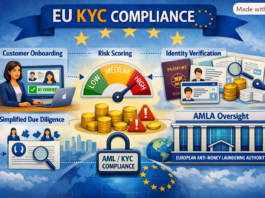

Swiss financial watchdogs have highlighted that the limited scope of the new AML reforms will require stricter oversight of the high-risk consulting segment to prevent regulatory gaps from being exploited. Authorities plan to implement detailed risk assessment protocols and monitoring procedures specifically targeting complex corporate structures and advisory transactions that could facilitate money laundering.
Industry stakeholders have expressed mixed reactions. While some consulting firms welcome the lighter compliance burden, fearing that extensive regulation could have stifled business growth, compliance experts caution that such a narrow focus may ultimately undermine the country’s reputation for financial integrity. International partners, including the Financial Action Task Force (FATF), are likely to scrutinize Switzerland’s approach, especially given the global emphasis on robust AML enforcement.
Analysts also note that the watered-down reforms may shift the burden of risk management to financial institutions, which will now need to apply enhanced due diligence when dealing with high-risk consultants. Banks and other regulated entities are expected to update internal policies, strengthen reporting mechanisms, and ensure that their compliance teams are prepared to address potential loopholes that remain under the law.
Some observers predict that Switzerland might face pressure to revisit the legislation in the near future, either through additional parliamentary amendments or through guidance from international regulatory bodies. Until then, the country will need to carefully balance economic competitiveness with its commitment to preventing financial crimes.
The debate surrounding the reforms underscores a larger global challenge: maintaining a thriving financial sector while ensuring that all advisory and consulting services are adequately monitored to prevent misuse for illicit purposes. Switzerland’s strategy may serve as a case study for other nations grappling with similar tensions between regulatory rigor and economic growth.